
In a world that constantly pulls our attention toward screens, puzzles offer a refreshing, screen-free way to engage our minds in something far more meaningful. Far from being simple distractions, they’re powerful little tools that support cognitive health, bring a sense of calm, and create peaceful moments in our otherwise busy lives.
What makes puzzles more than just games?
Puzzles are thoughtful challenges that ask us to focus, strategize, and solve. Unlike passive scrolling or binge-watching, they actively wake up different parts of the brain at once. Whether you’re doing a crossword with your morning coffee or working on a jigsaw in the evening, puzzles create pockets of deep focus that feel surprisingly meditative.
The best part? There’s a puzzle for every mood, skill level, and schedule. From classic jigsaw puzzles to quick digital favorites like Wordle, their accessibility makes them one of the simplest and most democratic forms of brain exercise out there.
How different puzzles support different aspects of mental health
Not all puzzles work the same way – each type gives your brain its own unique workout and delivers slightly different wellbeing benefits. Research shows that mixing up the kinds of puzzles you do provides a more well-rounded mental boost and can target specific needs, whether that’s easing anxiety, sharpening memory, or simply finding calm.
Jigsaw puzzles: Mindfulness in pieces
Jigsaw puzzles deliver a wonderfully tactile experience that strengthens spatial reasoning and working memory. There’s something almost meditative about sorting through pieces and watching the image slowly come together. Your attention stays gently anchored in the present moment.
For anyone dealing with anxiety, jigsaws can be especially soothing. They’re absorbing enough to quiet racing thoughts without overwhelming you. Studies have even shown that people doing jigsaw puzzles experienced lower heart rates and reported feeling less stressed than those who didn’t.
Word and number puzzles: Cognitive gymnastics
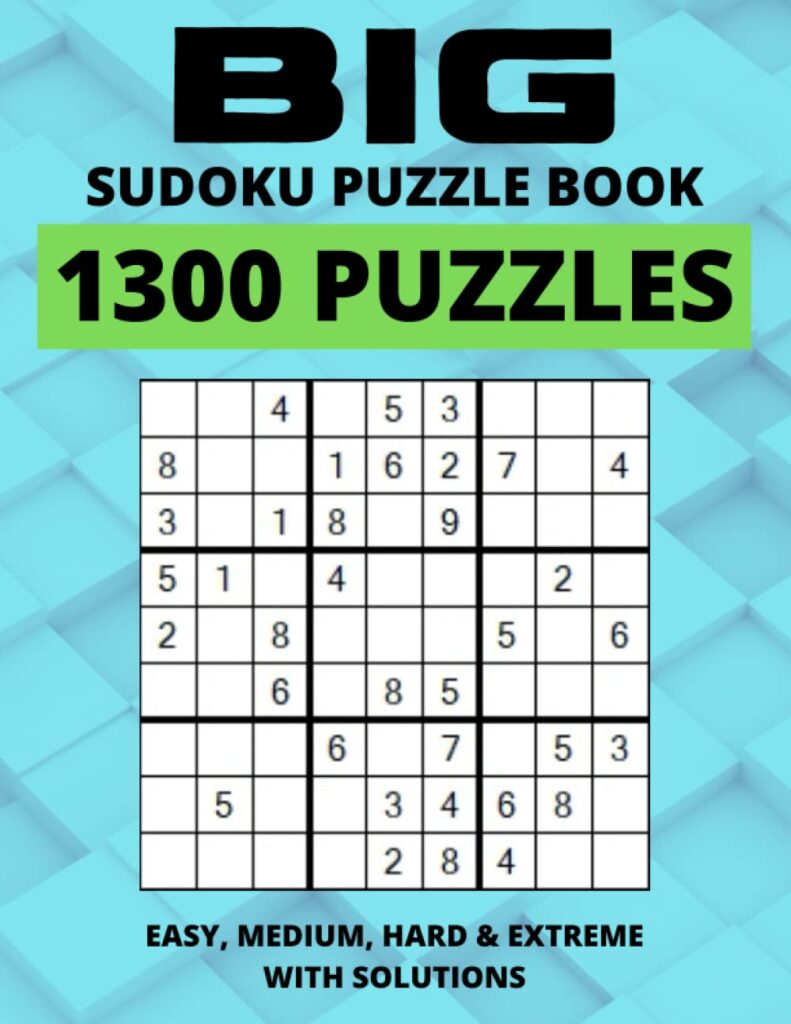
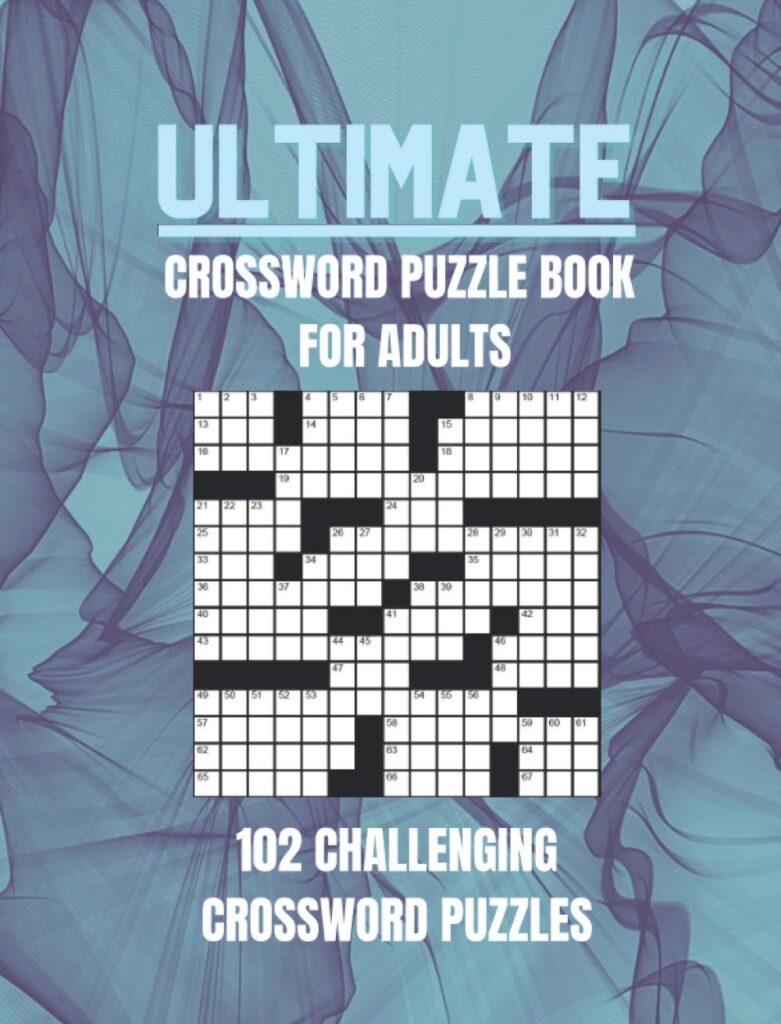
Crosswords, Sudoku, Wordle, and similar games offer their own set of rewards:
- Crosswords help expand vocabulary, boost semantic memory, and keep your thinking flexible. They’ve also been linked to stronger cognitive health as we age.
- Sudoku and logic puzzles sharpen working memory and executive function—skills that directly support everyday problem-solving and mental clarity.
- Wordle strikes a lovely balance between the two while adding a healthy boundary: just one puzzle a day. Unlike endless social media feeds, it creates a sense of pleasant anticipation instead of guilt or compulsion.
Puzzles as therapeutic tools
Puzzles are increasingly being used in clinical settings as a gentle complement to traditional therapy. Their benefits extend across many areas of mental health:
- For depression: Completing even a small puzzle can trigger a little hit of dopamine, lifting your mood and giving you a quiet sense of accomplishment.
- For anxiety: The steady, focused nature of puzzles helps break the cycle of worry and rumination. There’s also comfort in knowing every puzzle has a solution.
- For dementia and Alzheimer’s: Regular puzzle time has been linked to delayed symptoms and slower cognitive decline. Even in later stages, familiar puzzles can create meaningful moments of engagement and connection.
- For recovery and rehabilitation: After injury or illness, puzzles offer adaptable challenges that can grow with you as your abilities change.
While puzzles are fantastic for mental and cognitive wellbeing, don’t forget the surprising ways our physical health affects our minds too.
Incorporating puzzles into your wellness routine
You don’t need a lot of time or fancy equipment to make puzzles part of your life. Here are some simple, practical ways to get started:
- Start small — Just 5 to 10 minutes a day is enough to feel the benefits.
- Create a dedicated space — Leave a puzzle on a table so it’s easy to pick up whenever you have a quiet moment.
- Make it social — Join a puzzle club or turn it into a regular family puzzle night.
- Mix it up — Rotate between different types of puzzles to work different parts of your brain.
- Use technology wisely — Digital puzzles can be convenient without the addictive pull of other screen activities.
Once you find a rhythm that works for you, the next step is discovering which puzzles feel best for you. The perfect match is different for everyone—it all comes down to your personal preferences, strengths, and what kind of mental support you’re looking for.